


Urban clothing has become a global voice for personal identity and cultural resistance. Most people think of it as just another fashion trend, mixing hoodies and sneakers. But the real story is bigger. Urban clothing grew from 1970s city streets and now influences style from New York to Tokyo, forging a worldwide movement led by young communities and underground artists. The fabric you wear is part of a living conversation that shapes, and sometimes even defies, what fashion means today.
Table of Contents
- Defining Urban Clothing: Trends And Styles
- The Influence Of Culture In Urban Fashion
- Key Players In The Urban Clothing Scene
- The Role Of Limited Editions And Collaborations
- Future Directions Of Urban Clothing Trends
Quick Summary
| Takeaway | Explanation |
|---|---|
| Urban clothing signifies cultural expression | It transcends mere fashion, enabling storytelling and social commentary from grassroots communities. |
| Sustainability is essential in modern trends | Consumers prioritize eco-friendly practices and transparency in the production process. |
| Limited editions enhance product appeal | Scarcity drives demand and transforms clothing into collectible cultural artifacts, fostering community engagement. |
| Cultural collaborations define contemporary fashion | Partnerships between brands challenge traditional boundaries and create rich, narrative-driven design experiences. |
| Technological innovation shapes urban fashion’s future | Emerging technologies like AR and blockchain are reshaping how urban clothing is designed and experienced. |
Defining Urban Clothing: Trends and Styles
Urban clothing represents more than just fabric and design. It’s a dynamic cultural expression that transforms personal style into a powerful communication tool.
The following table summarizes the key characteristics that define urban clothing, helping clarify how it differs from conventional fashion and what makes it distinct within contemporary culture.
| Characteristic | Description |
|---|---|
| Comfort and Functionality | Designed for ease of movement and practical, everyday wear |
| Cultural Narrative Reflection | Garments express individual and communal stories, carrying cultural meaning |
| Rebellion Against Norms | Challenges established fashion hierarchies and promotes authenticity over trend conformity |
| Evolving Global Influence | Incorporates diverse global styles, transcending geographic and cultural limitations |
| Collaboration and Innovation | Frequent collaborations between brands, artists, and underground designers drive new directions |
| Focus on Authenticity | Values unique personal identity over mass adoption and mainstream ideals |
| Community Building | Fosters a sense of belonging and shared cultural experience among wearers |
The Cultural Foundations of Urban Fashion
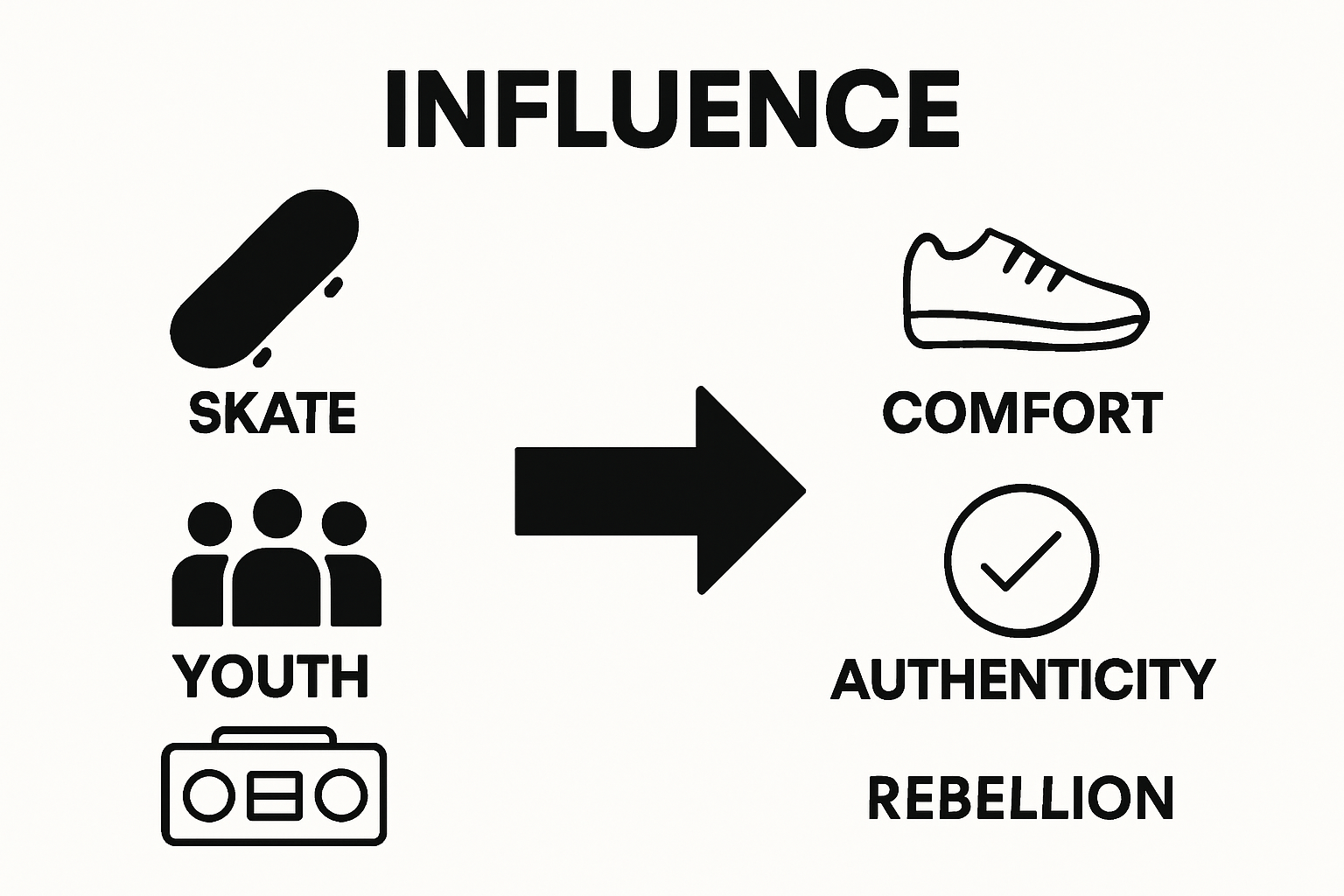
Urban clothing emerged from street cultures like hip hop, skateboarding, and youth subcultures that challenged mainstream fashion norms. Unlike traditional fashion dictated by haute couture, urban clothing develops organically from grassroots communities. Its roots trace back to 1970s and 1980s urban neighborhoods where clothing became a statement of identity, resistance, and creative self-expression.
Key characteristics of urban clothing include:
- Prioritizing comfort and functionality
- Reflecting individual and collective cultural narratives
- Challenging traditional fashion hierarchies
- Emphasizing personal authenticity over trend conformity
Contemporary Urban Clothing Trends
Modern urban clothing has evolved into a global phenomenon that blends multiple cultural influences. Contemporary trends showcase a mix of oversized silhouettes, technical fabrics, bold graphic designs, and multicultural aesthetic references. According to Complex Magazine, urban clothing now represents a fluid, boundary-breaking approach to personal style that transcends geographic and cultural limitations.
The most notable contemporary urban clothing trends include streetwear’s embrace of:
- Sustainable and ethical production methods
- Technological integration in fabric and design
- Gender fluid and inclusive sizing
- Collaboration between underground artists and fashion brands
Aesthetic and Philosophical Dimensions
Beyond visual appeal, urban clothing communicates complex social narratives. Each garment serves as a canvas for personal storytelling, cultural commentary, and individual rebellion against standardized fashion expectations. Urban clothing transforms wearers from mere consumers into active participants in a dynamic, ever-changing visual dialogue about identity, creativity, and social expression.
The Influence of Culture in Urban Fashion
Urban fashion is a powerful narrative medium where clothing becomes more than fabric. It transforms into a cultural language expressing complex social identities, resistance, and collective experiences. Explore our cultural streetwear insights to understand how garments communicate deeper meanings.
Cultural Roots and Social Signaling
Urban fashion emerges from marginalized communities as a form of visual storytelling. Different cultural movements have historically used clothing as a mechanism of self-representation and social commentary. African American, Latino, and working class youth communities pioneered urban fashion as a method of reclaiming personal narrative and challenging systemic representations.
Key cultural influences in urban fashion include:
- Resistance against mainstream cultural narratives
- Celebration of community identity
- Economic accessibility and creativity
- Representing marginalized experiences visually
Global Cultural Dialogue
Modern urban fashion transcends geographic boundaries, creating a global cultural conversation. According to Vogue’s Cultural Fashion Report, urban clothing now represents a transnational dialogue where street styles from Tokyo, New York, Lagos, and Rio de Janeiro interact and transform each other continuously.
Significant global cultural exchanges in urban fashion manifest through:
- Cross cultural design collaborations
- Digital platforms expanding style visibility
- Fusion of traditional and contemporary aesthetics
- Reinterpretation of indigenous design elements
Authenticity and Representation
Urban fashion serves as a critical platform for communities to assert their cultural authenticity. Each garment becomes a statement challenging dominant cultural narratives, allowing individuals to construct and communicate complex identities beyond traditional societal expectations. The clothing becomes a form of personal and collective empowerment, transforming fashion from mere consumption into a powerful form of cultural expression.
Key Players in the Urban Clothing Scene
The urban clothing landscape is defined by innovative designers, influential brands, and cultural pioneers who continuously reshape fashion’s boundaries. Discover emerging streetwear influencers to understand the dynamic ecosystem driving urban fashion forward.
Pioneering Brands and Designers
Urban clothing has been dramatically transformed by visionary brands that emerged from street culture. Legendary brands like Supreme, Off White, and A Bathing Ape (BAPE) revolutionized fashion by blending counterculture aesthetics with high design principles. These brands did not just create clothing they generated entire cultural movements that transcended traditional fashion consumption.
Key influential urban clothing brands include:
- Supreme: Pioneering streetwear collaboration model
- Off White: Merging high fashion with street design
- BAPE: Introducing Japanese street aesthetic globally
- Stussy: Early innovator of surf and skate culture fashion
Cultural Innovators and Designers
Individual designers and artists have played crucial roles in urban clothing’s evolution. According to Complex Magazine’s Fashion Innovators Report, designers like Virgil Abloh, Nigo, and Jun Takahashi have transformed urban fashion from localized subculture to global cultural phenomenon. These creators understand urban clothing as a dynamic form of artistic expression that communicates complex social narratives.
This table highlights some of the most influential brands and designers in the urban clothing scene, along with their core contributions to the culture.
| Name | Key Contribution | Cultural Impact |
|---|---|---|
| Supreme | Invented streetwear drop model, collaborations | Turned clothing into collectible cultural artifacts |
| Off White | Fused luxury design with street aesthetics | Elevated streetwear to high fashion runways |
| BAPE | Introduced Japanese street style worldwide | Iconic for unique patterns and celebrity influence |
| Stussy | Launched surf and skate-inspired street fashion | Early adapter of subcultural fusion in mainstream |
| Virgil Abloh | Bridged luxury and urban design (Off White, LV) | Expanded narrative possibilities in urban clothing |
| Hiroshi Fujiwara | Pioneered Japanese streetwear as a genre | Inspired global collaboration trends |
| Nigo | Founded BAPE, influential creative collaborations | Shaped global visual language of streetwear |
Significant cultural innovators in urban fashion include:
- Virgil Abloh: Bridging streetwear and luxury design
- Hiroshi Fujiwara: Godfather of Japanese streetwear
- Nigo: Founder of BAPE and cultural design pioneer
- Marc Ecko: Democratizing urban fashion design
Global Influencers and Community Shapers
Today’s urban clothing scene is defined by a global network of influencers who transcend traditional marketing models. Musicians, athletes, and digital creators have become crucial in shaping fashion trends, transforming urban clothing from manufactured trends to authentic cultural expressions. These influencers create direct connections between design, community, and personal identity, making urban fashion a powerful medium of global cultural dialogue.
The Role of Limited Editions and Collaborations
Limited editions and collaborations represent the beating heart of urban clothing culture, transforming fashion from mass production into exclusive artistic experiences. Dive into the world of collectible streetwear to understand how these strategies revolutionize fashion consumption.
The Economics of Scarcity
Limited edition releases create a unique economic ecosystem within urban fashion. By deliberately restricting product availability, brands generate extraordinary demand and perceived value. This strategy goes beyond traditional marketing, turning clothing into collectible artifacts that represent cultural capital and personal identity. Supreme, for instance, has masterfully employed this model, transforming simple t-shirts and accessories into highly sought after collector’s items.
Key characteristics of limited edition releases include:
- Creating artificial product scarcity
- Generating intense consumer anticipation
- Establishing brand exclusivity
- Transforming clothing into investment pieces
Collaboration as Cultural Dialogue
According to The Business of Fashion, brand collaborations have become sophisticated cultural exchanges that transcend traditional marketing boundaries. By merging different creative universes, these partnerships produce unique artifacts that represent complex narrative intersections. A collaboration between a skateboard brand and a luxury fashion house, for example, creates more than just clothing it generates a provocative cultural statement.
Significant aspects of urban fashion collaborations include:
- Blending diverse creative perspectives
- Challenging traditional brand boundaries
- Creating narrative-driven design experiences
- Generating cross-cultural artistic dialogues
Community and Authenticity
Limited editions and collaborations serve a deeper purpose beyond commercial transactions. They function as community-building mechanisms that allow consumers to participate in exclusive cultural moments. Each release becomes a shared experience, with enthusiasts tracking drops, discussing design nuances, and creating intricate social networks around these ephemeral fashion artifacts. The value extends far beyond the physical product, representing membership in a global, dynamic urban fashion ecosystem.
Future Directions of Urban Clothing Trends
Urban clothing is rapidly transforming, driven by technological innovation, social consciousness, and global cultural exchanges. Explore sustainable streetwear developments to understand the emerging paradigms reshaping fashion’s future.
Technological Integration
Technology is fundamentally reimagining urban clothing’s design and consumption landscape. Digital technologies like augmented reality, 3D printing, and AI-driven design are creating unprecedented possibilities for personalization and creative expression. Brands are developing interactive garments that can change color, adapt to environmental conditions, and integrate digital interfaces directly into fabric.
Key technological innovations in urban clothing include:
- Adaptive smart fabrics with temperature regulation
- Digital customization platforms
- Blockchain authentication for limited edition pieces
- Augmented reality try on experiences
Sustainability and Ethical Production
According to Vogue’s Sustainability Report, urban clothing is experiencing a profound shift towards environmental consciousness and ethical production. Consumers are demanding transparency, demanding garments produced with minimal environmental impact and under ethical labor conditions. This trend goes beyond material selection, encompassing entire supply chain transformations.
Significant sustainability developments include:
- Recycled and upcycled material innovations
- Carbon neutral production processes
- Transparent supply chain reporting
- Circular fashion design principles
Cultural Democratization
The future of urban clothing represents a radical democratization of fashion. Global digital platforms are breaking traditional geographic and cultural barriers, allowing designers from previously marginalized communities to create and distribute their unique perspectives. Urban clothing is becoming a truly global dialogue, where creativity transcends national boundaries and established fashion hierarchies.
Take Urban Clothing to the Next Level with Immersive Streetwear
Are you searching for streetwear that truly reflects your personality and stands out from mainstream trends? The article covered how urban clothing is more than just fashion—it is about self-expression, authenticity, and belonging to a culture that values creativity and individuality. Yet, one common challenge remains: finding distinctive pieces that merge style, storytelling, and exclusivity all in one place.
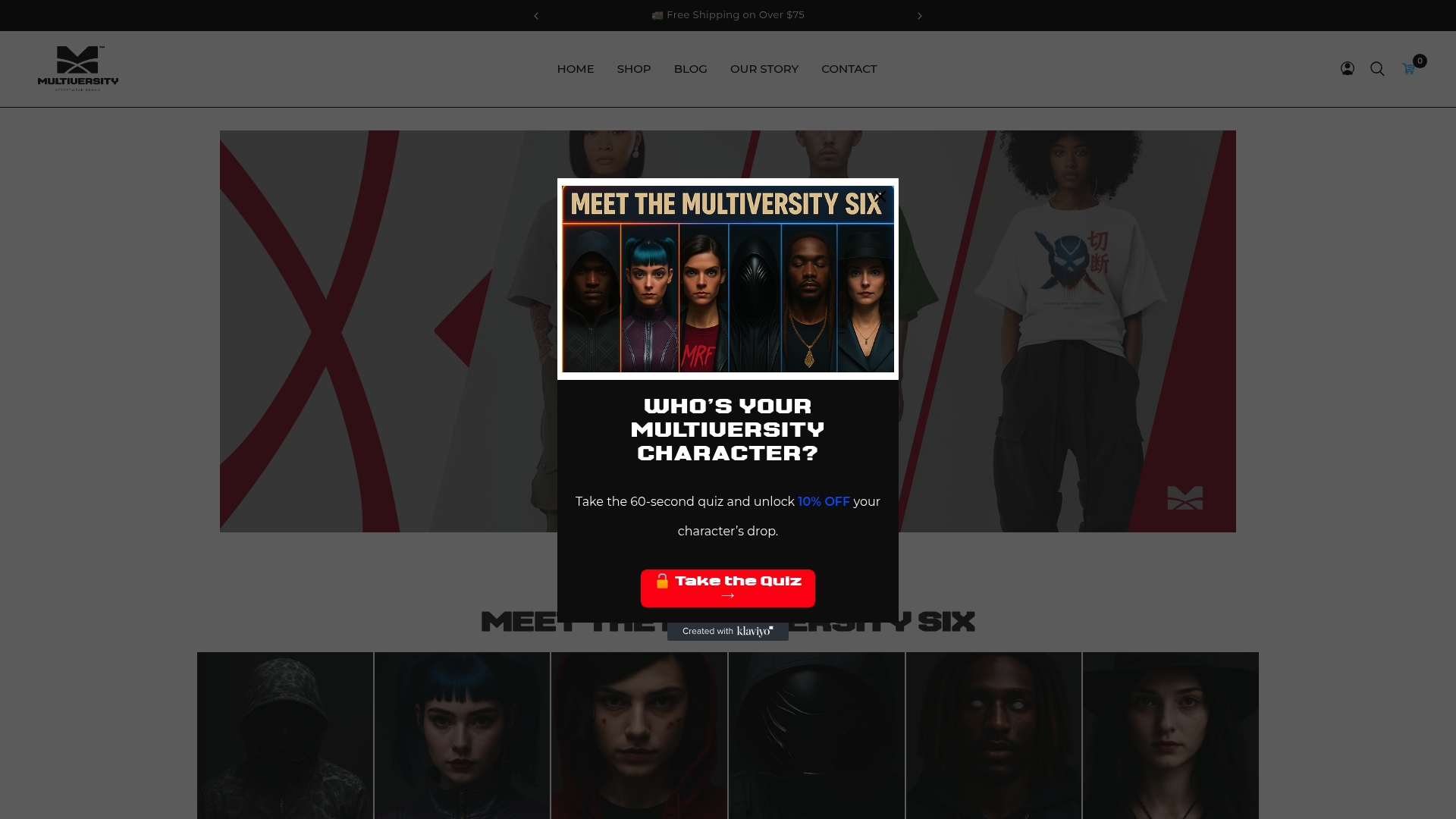
Step into the Multiversity Store, where every collection brings to life multiversal characters and vibrant narratives. Explore unique streetwear like our Drip-Layered Streetwear Trousers for a fresh blend of culture and design, or check out Alt Pants if futuristic fashion speaks to you. For true collectors, the Vault Pants limited drops deliver a level of rarity and story you will not find elsewhere. Do not miss your chance to express a deeper narrative and own wearable art—visit Multiversity now to discover your next statement piece.
Frequently Asked Questions
What defines urban clothing and streetwear culture?
Urban clothing, often associated with streetwear culture, emphasizes comfort, functionality, and personal expression. It develops from grassroots communities and reflects individual and collective cultural narratives, often challenging traditional fashion norms.
What are the key characteristics of contemporary urban clothing trends?
Contemporary urban clothing trends include oversized silhouettes, sustainable production methods, gender fluidity, and collaborations between underground artists and established fashion brands, reflecting a blend of various cultural influences.
How does urban fashion communicate social identities?
Urban fashion serves as a form of visual storytelling, allowing wearers to express complex identities and commentary on societal issues. Each garment can challenge dominant cultural narratives and connect individuals to their communities and personal experiences.
What role do collaborations play in urban clothing?
Collaborations in urban clothing create unique artifacts that blend diverse creative perspectives, enhancing cultural exchanges and representing complex narratives. These partnerships often generate excitement and exclusivity, becoming significant cultural moments in the fashion landscape.
Recommended
- Understanding Streetwear vs Urban Fashion
- 7 Key Elements of Streetwear Aesthetics Explained
- 8 Key Tips for Finding Streetwear Inspo
- Beyond Logos
- Streetwear
- streetwear culture Archives
EARLY ACCESS
Get Access Before Public Release
Join the Multiversity signal list for limited releases, Mode updates, and early access windows.