


Fashion trends are moving at speeds no one could have imagined a decade ago. Social media and technology mean a bold new look can sweep the world in a single day and influence millions almost instantly. But while most people think trends are just about clothes, the surprising part is that a style choice is now a form of global communication. Over 80 percent of new trends are now born on social networks instead of traditional runways. That is not just fashion; it is the world talking to itself with every outfit.
Table of Contents
- The Evolution Of Fashion Trends And Their Significance
- Cultural Influence: Why Trends Matter In Urban Fashion
- The Role Of Social Media In Shaping Fashion Trends
- Sustainability And Innovation: Future Fashion Insights
- How Following Trends Enhances Individual Expression
Quick Summary
| Takeaway | Explanation |
|---|---|
| Fashion trends reflect cultural shifts. | They represent societal changes, technological advancements, and personal identities expressed through clothing choices. |
| Social media democratizes fashion creation. | Digital platforms enable anyone to influence fashion trends, moving away from traditional high fashion gatekeeping. |
| Trends serve as personal expression tools. | Fashion allows individuals to communicate complex identity narratives and cultural affiliations through style choices. |
| Sustainability is essential for future fashion. | Innovations in production and circular economy models emphasize environmental responsibility in clothing manufacturing. |
| Urban fashion embodies cultural exchange. | It facilitates a dialogue that intertwines identity, social movements, and collective experiences through diverse styles. |
The Evolution of Fashion Trends and Their Significance
Fashion trends represent more than just clothing choices. They are dynamic cultural expressions that reflect societal shifts, technological advancements, and individual identities. Understanding the evolution of fashion trends provides insight into how we communicate, connect, and define ourselves through what we wear.
The Digital Transformation of Fashion Trends
In recent years, digital technologies have fundamentally reshaped how fashion trends emerge and spread. Research from a 2024 digital fashion study revealed that platforms like social media, metaverses, and digital networks have dramatically accelerated trend lifecycles. Key digital influences include:
- Rapid global information sharing
- Instant visual communication through platforms
- AI-driven trend prediction algorithms
- Virtual fashion experiences and digital clothing
These technological shifts mean trends now move at unprecedented speeds, with global audiences simultaneously experiencing and interpreting fashion moments.
Cultural Significance Beyond Clothing
Fashion trends are profound social signals. They represent more than aesthetic preferences. Each trend communicates complex narratives about identity, rebellion, solidarity, and cultural transformation. When individuals choose specific styles, they are essentially participating in a broader dialogue about self-expression.
For urban fashion enthusiasts interested in deeper cultural connections, our guide on understanding streetwear culture explores how clothing transcends mere fabric and becomes a powerful form of communication.
Understanding fashion trends requires recognizing them as dynamic, interconnected systems that reflect human creativity, technological innovation, and social change. They are living, breathing expressions of our collective imagination and individual experiences.
Cultural Influence: Why Trends Matter in Urban Fashion
Urban fashion transcends mere clothing selection. It represents a complex cultural dialogue where personal identity, social movements, and collective experiences intersect through style. Understanding the cultural significance of fashion trends reveals how clothing becomes a powerful medium of communication and self expression.
Global Cultural Exchange Through Fashion
Research exploring cultural influences on fashion trends demonstrates how globalization has transformed clothing into a dynamic language of cultural interchange. Urban fashion now operates as a transnational conversation, where styles emerge through intricate cross cultural interactions.
Key aspects of this cultural exchange include:
- Fusion of traditional design elements with contemporary aesthetics
- Representation of marginalized community narratives
- Reimagining cultural heritage through modern design
- Challenging existing social narratives through clothing
Identity and Resistance in Urban Fashion
Urban fashion serves as more than aesthetic expression. It functions as a form of social resistance and personal empowerment. When individuals select specific streetwear styles, they are making profound statements about belonging, challenging societal norms, and constructing personal narratives.
For those interested in deeper insights into these complex dynamics, our comprehensive guide on streetwear vs urban fashion explores the nuanced relationships between clothing, identity, and cultural representation.
Ultimately, urban fashion trends are living, breathing reflections of human creativity. They capture moments of cultural transformation, individual rebellion, and collective imagination through the universal language of style.
The Role of Social Media in Shaping Fashion Trends
Social media has revolutionized how fashion trends emerge, spread, and evolve. These digital platforms have transformed from simple communication tools to powerful trend generation ecosystems that democratize fashion creation and consumption.
The Influencer Effect
Research from the Indian Journal of Fashion Technology reveals how social media platforms have fundamentally altered fashion trend dynamics. Influencers now function as critical trend architects, wielding unprecedented power in shaping consumer preferences and brand perceptions.
Key mechanisms of social media trend propagation include:
- Rapid visual content dissemination
- Immediate global audience engagement
- User generated style documentation
- Real time trend validation and feedback
Digital Fashion Democratization
Social media platforms have dismantled traditional fashion gatekeeping structures. Anyone with creativity and a smartphone can now generate and spread fashion trends. This democratization means trends emerge from street level, not exclusively from high fashion runways.
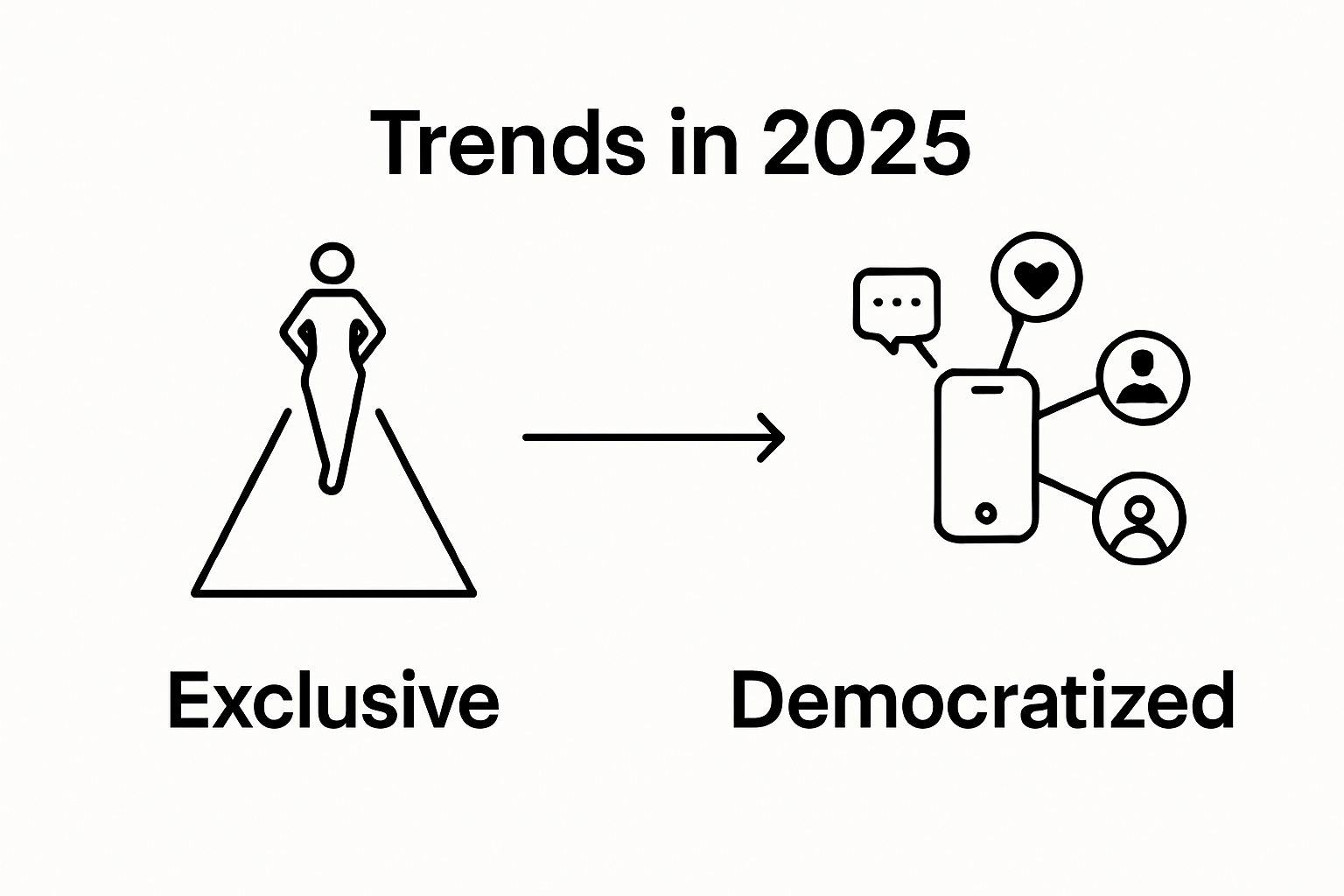
Our comprehensive guide on streetwear culture explores how digital platforms have transformed fashion from a top down model to a collaborative, community driven experience.
Today, social media represents more than a trend communication channel. It is a dynamic, interactive ecosystem where fashion is continuously created, challenged, and reimagined through collective creativity and individual expression.
Below is a comparison table summarizing how social media and traditional fashion runways differ in shaping and spreading fashion trends.
| Approach | Trend Origination | Speed of Spread | Who Influences Trends | Audience Engagement |
|---|---|---|---|---|
| Social Media | Grassroots, community | Instant, global | Influencers, users, communities | Highly interactive, real time |
| Traditional Fashion Runways | Designers, fashion houses | Gradual, seasonal | Designers, luxury brands | Limited, mostly spectators |
Sustainability and Innovation: Future Fashion Insights
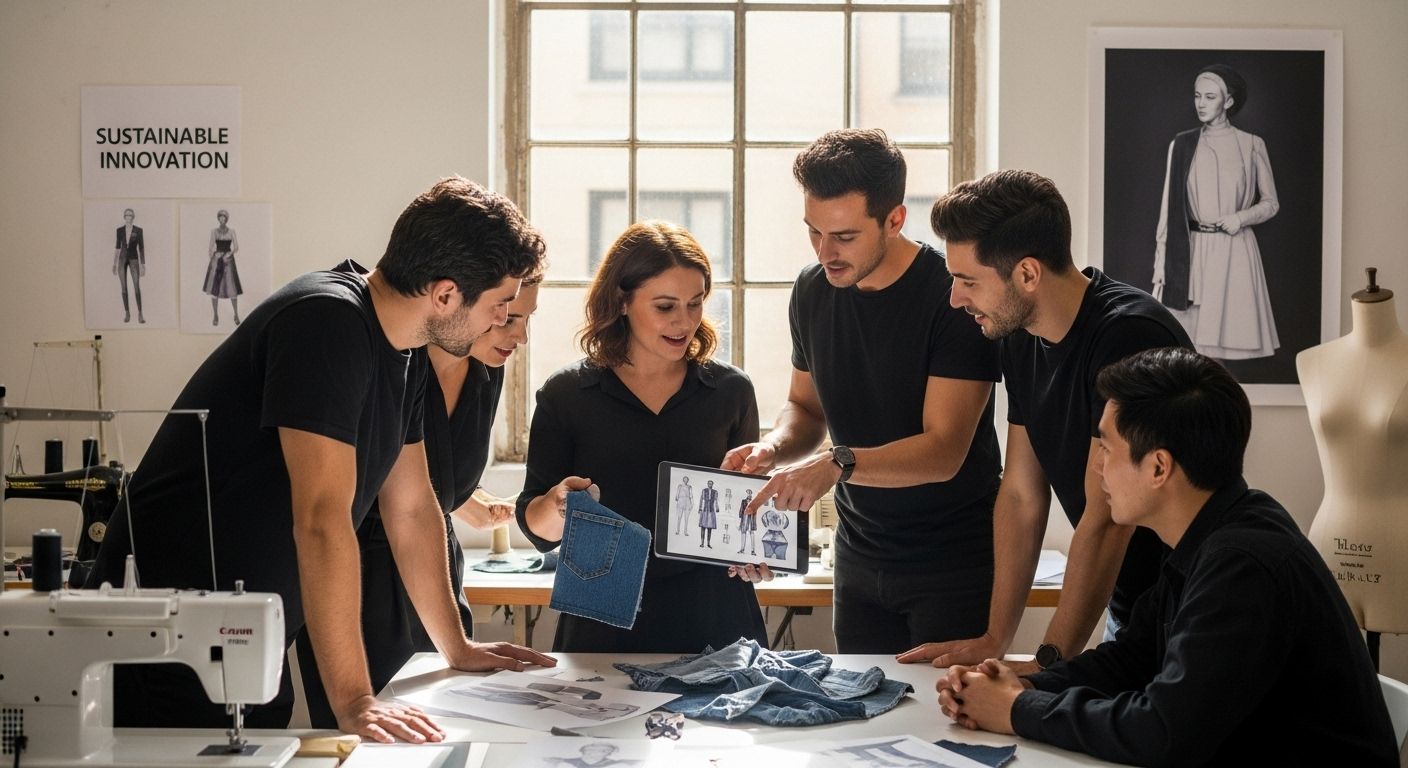
The fashion industry stands at a critical intersection of environmental responsibility and technological innovation. Emerging trends are transforming how clothing is designed, produced, and consumed, with sustainability becoming a core principle rather than a peripheral consideration.
Technological Reimagining of Fashion Production
Research from the McKinsey Fashion on Climate report highlights the profound shifts occurring in fashion manufacturing. Innovative technologies are enabling more sustainable and efficient production methods that dramatically reduce environmental impact.
Key technological innovations include:
- Advanced recycling techniques for textile materials
- AI driven design optimization
- Digital prototyping to reduce waste
- Blockchain tracking for transparent supply chains
Circular Fashion Economics
The future of fashion lies in circular economic models that prioritize regeneration over traditional linear consumption. This approach transforms clothing from disposable products to renewable resources, where materials are continuously reused and repurposed.
Our comprehensive guide on sustainable streetwear explores how urban fashion brands are leading this transformative approach to clothing production.
Innovation in fashion is no longer just about aesthetics. It represents a holistic reimagining of how we create, consume, and think about clothing as a dynamic, sustainable ecosystem that connects individual expression with global environmental responsibility.
This table outlines several key technological innovations that are driving sustainable transformation in the fashion industry, as discussed in the article.
| Innovation | Description | Impact on Fashion |
|---|---|---|
| Advanced Textiles Recycling | Efficient conversion of textiles into reusable fibers | Reduces landfill waste, enables circular clothing systems |
| AI Driven Design Optimization | Algorithms guide designs for less waste and efficiency | Minimizes resource use, improves production accuracy |
| Digital Prototyping | Virtual models replace physical samples | Decreases sample waste, speeds up time to market |
| Blockchain Supply Chain Tracking | Transparent tracing of materials and processes | Increases accountability, builds consumer trust |
How Following Trends Enhances Individual Expression
Fashion trends are far more than fleeting aesthetic choices. They represent dynamic tools of personal communication, enabling individuals to craft complex narratives about their identity, values, and cultural perspectives through strategic style selections.
Language of Personal Aesthetics
Trends function as a sophisticated visual vocabulary where clothing becomes a nuanced form of self expression. Each fashion choice represents a deliberate statement about personal identity, cultural belonging, and individual creativity.
Key dimensions of fashion as personal expression include:
- Communicating complex emotional states
- Signaling cultural affiliations
- Challenging social expectations
- Exploring fluid personal identities
Narrative Construction Through Style
Personal style emerges as a dynamic storytelling mechanism. By selectively engaging with fashion trends, individuals construct multilayered personal narratives that transcend traditional demographic boundaries. Clothing becomes a medium of personal mythology, allowing wearers to reimagine and redefine themselves continuously.
Our guide on streetwear design storytelling delves deeper into how fashion serves as a powerful narrative tool.
Ultimately, following fashion trends is not about blind conformity. It is an intentional, creative act of self definition where individuals curate their external presentation as a profound form of personal expression and cultural dialogue.
Make Every Trend Personal: Step Into Fashion Narratives Now
Do you feel overwhelmed by fast-moving fashion trends or struggle to find styles that represent your individuality while staying current? The article explores how trends are about more than clothing; they are expressions of identity, creativity, and culture. At Multiversity Store, we make this journey meaningful by transforming streetwear into immersive storytelling, so every collection helps you express who you truly are. Our limited-edition drops and character-inspired pieces offer not just the latest trends but unique stories that empower you to stand out in the crowd.
Ready to turn trends into meaningful self-expression? Discover your new statement piece or collectible at Multiversity Store. Dive deeper into character-driven collections with rich lore and see how streetwear can be more than just fashion. Embrace the future of fashion as a tool for personal storytelling, explore and claim your place now, before the next drop disappears.
Frequently Asked Questions
Why should I follow fashion trends in 2025?
Following fashion trends in 2025 allows you to express your identity and engage with cultural narratives. Trends serve as tools for personal communication and self-definition, reflecting your values and sense of belonging.
How do digital platforms influence fashion trends?
Digital platforms enable rapid information sharing and community engagement, transforming the fashion landscape. They allow trends to emerge organically from grassroots movements rather than just from high-fashion runways, making fashion more accessible and diverse.
What role does sustainability play in modern fashion trends?
Sustainability has become a core principle in fashion, reshaping production methods. It emphasizes circular fashion economics, where clothing is designed for longevity and recyclability, reducing environmental impact and promoting responsible consumerism.
How can I use fashion trends to enhance my personal style?
You can use fashion trends to craft a unique personal narrative by selectively integrating trends into your wardrobe. This allows you to express emotions, signal cultural affiliations, and challenge social norms through your clothing choices.
Recommended
- What is Sustainable Streetwear? Understanding Fashion’s Future
- Understanding the Rise of Collectible Streetwear
- 7 Key Elements of Streetwear Aesthetics Explained
- Understanding How Y2K Nostalgia Is Forging the Next Streetwear Wave
Enter Glitchwave
Enter Illusion Layer
Enter Rebel
Enter Algorithm Override
Enter Void Signal
Enter Fate Stack
EARLY ACCESS
Get Access Before Public Release
Join the Multiversity signal list for limited releases, Mode updates, and early access windows.